
Freedom Gardens: Reviving the Spirit of Victory and Self-Sufficiency
FREEDOM GARDENS are a way to increase productivity, self-sufficiency, preparedness, family unity, and prosperity
During World War II, Victory Gardens or the modern-day Freedom Garden, became a symbol of resilience and unity. Citizens across America and allied nations turned backyards, rooftops, and vacant lots into productive gardens to support the war effort. These gardens produced nearly 40% of the nation’s vegetables by 1944, according to the U.S. Department of Agriculture. They represented more than food—they embodied freedom, responsibility, and community. – We all know the rest of the story, the productivity of freedom prevailed. The same concept is true in our day. In fact, because of the Nation’s dependency on outside sources for its food, it might be even more important than in days of old.
Today, the concept of Freedom Gardens revives that same spirit for a new generation. In an era of economic uncertainty, urbanization, and environmental challenges, Freedom Gardens stand as a call to reclaim self-sufficiency, strengthen families, and reconnect with the land. Our online store is being developed to meet all of the modern-day Freedom Gardener’s needs.
The Legacy of Victory Gardens
Victory Gardens were born out of necessity. With global supply chains disrupted and food rationing in effect, citizens were encouraged to grow their own produce. Eleanor Roosevelt famously planted a Victory Garden on the White House lawn, inspiring millions to follow suit.
Books like The Victory Garden Manual (1943) and government posters—“Grow Your Own, Can Your Own”—urged Americans to take part. The movement wasn’t just practical; it was patriotic. It united communities and gave families a sense of purpose during wartime.
Modern historians, such as Rose Hayden-Smith in Sowing the Seeds of Victory: American Gardening Programs of World War I, note that these gardens were a powerful form of civic engagement. They taught people that freedom and responsibility go hand in hand.
Freedom Gardens for the Modern Age
Freedom Gardens build on that legacy but adapt it to today’s realities:
1. Self-Sufficiency and Food Security
In a world of supply chain disruptions and rising food costs, growing your own food is a form of independence. Even small gardens can yield significant results—herbs, tomatoes, lettuce, and potatoes thrive in containers or raised beds. The USDA and local extension programs continue to promote home gardening as a sustainable solution.
2. Family Unity and Education
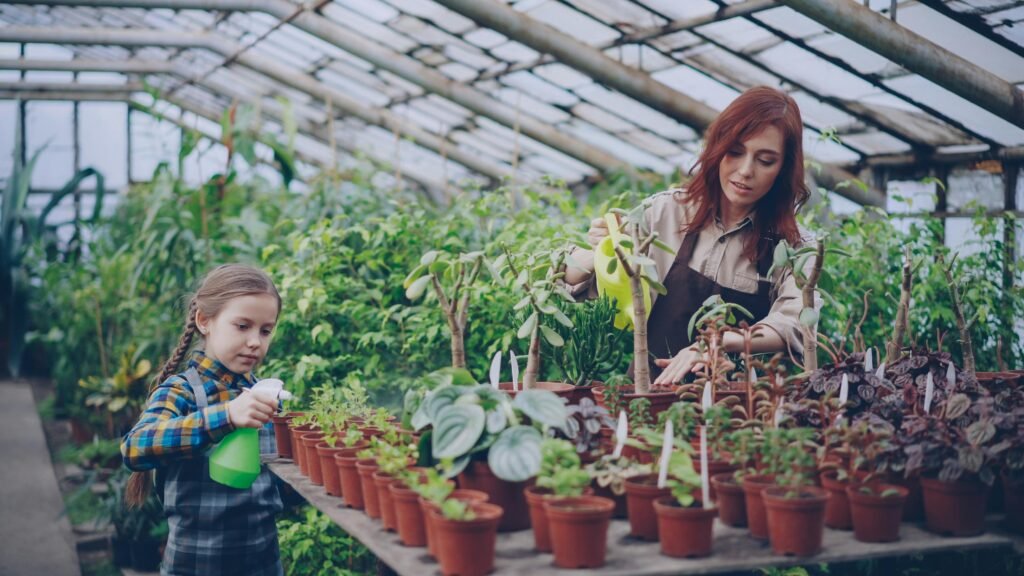
Gardening teaches patience, responsibility, and teamwork. Children learn where food comes from and develop respect for nature. Families working together in a Freedom Garden rediscover shared purpose and connection—values that are often lost in the digital age.
3. Urban and Small-Space Innovation
Modern technology allows Freedom Gardens to flourish even in cities:
- Vertical Gardens: Systems like the Tower Garden or DIY wall planters maximize space by growing upward.
- Hydroponics: Soil-free systems use nutrient-rich water, reducing water consumption by up to 90% compared to traditional methods.
- Indoor Vegetation: LED grow lights and compact hydro units make it possible to grow greens year-round inside apartments.
- Landscape Gardening: Combining beauty and utility, edible landscaping integrates fruit trees, herbs, and vegetables into ornamental designs.
Videos such as Urban Gardening for Beginners by Epic Gardening and Hydroponics Made Easy by Gardening Know How demonstrate how accessible these methods have become.
Freedom Gardens as a Movement
Freedom Gardens are more than a hobby—they’re a statement. They represent:
- Freedom from dependency on fragile systems.
- Freedom to teach and nurture future generations.
- Freedom to create abundance from the soil beneath our feet.
In many ways, they echo the wartime call to action but with a modern twist: sustainability, stewardship, and community resilience.
Authors like Wendell Berry (The Unsettling of America) and Joel Salatin (Folks, This Ain’t Normal) have long argued that reconnecting with the land restores both ecological balance and moral clarity. Freedom Gardens embody that philosophy.
Conclusion
Just as Victory Gardens once fed a nation and strengthened its spirit, Freedom Gardens can nourish our families and communities today. Whether you have a backyard, balcony, or windowsill, you can grow something that matters.
In cultivating a Freedom Garden, you’re not just planting seeds—you’re planting hope, independence, legacy, and building your family bonds.
Suggested Resources:
- Sowing the Seeds of Victory by Rose Hayden-Smith (University of North Carolina Press)
- The Unsettling of America by Wendell Berry
- Folks, This Ain’t Normal by Joel Salatin
- YouTube: Epic Gardening, Gardening Know How, Self-Sufficient Me
Historical Reference:
- U.S. Department of Agriculture archives on Victory Gardens (1942–1945)
- National WWII Museum: “Victory Gardens: How Growing Your Own Food Helped Win the War”